“Green Plant” search results (1000)
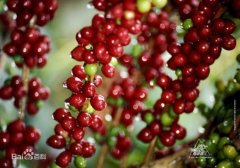
Kenya Nyeri producing area Jia Tuji Gatugi processing plant African coffee flavor
According to SL Laboratory botanists, SL28 and SL34 are genetic variants. Among them, SL28 has a mixed lineage of French missionaries, mocha and Yemeni tibica. SL28 was bred to produce high quality, pest resistant coffee beans in large quantities. Although SL28 did not yield as much as expected, copper leaf color and broad bean-like beans were very good.
2016-06-15 Kenya Nyeri Producing Area Home Tugi Gatugi Processing Plant Africa
An introduction to the Origin and Cultural course of Coffee beans in Kenya
1) Common classification: hand-picked coffee fruit, picked by hand, picked out immature fruit (unripe), overripe fruit (overripe) and other defects, peeled, after about 36 hours of fermentation, placed on a metal grid for sun drying, in the processing plant to remove the seed shell (parchment), become a blue-green appearance of attractive Kenyan raw beans. These beautiful raw beans, roots
2016-06-03 Kenya coffee beans species grading introduction origin culture history common points
The Taste and Flavor characteristics of aricha Coffee beans
The color of Yirgacheffe Aricha Grade 1 raw beans is yellow and green, which is a typical color of sun-cured coffee. It is uniform and full, with few defective beans. It is packaged and exported in ordinary sacks. The basic information of coffee is printed and dyed on the sacks (processing plant, exporter, ICO code, treatment methods, producing areas). Inside the sacks are plastic bags for agricultural products.
2016-10-21 Sun Yega Sheffield aricha coffee beans taste flavor description place
Introduction to the characteristics of grindability of Bobang coffee beans grown in Yunnan by describing the flavor of small grains
Yunnan Coffee Bean introduces two classic high-quality coffee varieties, Typica and Bourbon, which are the main cultivated varieties in Yunnan. In 1991, Katimo Catimor series varieties were introduced from Kenya (with stronger anti-virus ability and higher yield). A variety of Arabian species (also known as small seed species). Because the morphology and habits of the two varieties are similar, the two
2016-10-24 Yunnan planting Bobang species coffee beans small grains flavor description treatment grinding special
An introduction to the characteristics of coffee flavor and taste in the aroma and mellow aroma of Ethiopia's Xida Motede Manor.
There are mainly mountain plateaus in Ethiopia, and the central and western regions are the main part of the plateau, accounting for 2% of the whole territory. The East African Rift Valley runs through the whole territory, with an average elevation of nearly 3000 meters, which is known as the roof of Africa. The terrain around the plateau is gradually declining. The Darol depression in the north fell to 113 meters below sea level, the lowest point in the country. A narrow banded plain along the coast of the Red Sea
2016-09-03 Smell mellow thick Ethiopia Dharma Ted manor coffee flavor
Introduction to the grinding treatment method for the flavor and taste characteristics of coffee brands in Ethiopia
Ethiopian Coffee Flavor treatment Variety characteristics growing in Western Ethiopia 4900-5900 feet (Wollega province) plateau, north of Jima, mostly wild, annual output is about 500000bags/60kg, export to G5/G4, bean body is larger and longer than Longberry, a little brown in green, taste similar to less jasmine tea, more bitter, lack of rising Hara, slightly sour
2016-10-21 Ethiopia where rich coffee brand flavor taste characteristics grinding
Basic knowledge of boutique coffee knowledge of growing coffee
Raw coffee beans are the seeds of Rubiaceae, and there are at least 66 species in the genus Coffea. Two of the commercial interests are Arabica (Coffea arabica) and Congolese coffee (C. canephora). The former accounts for 2/3 of the world's production, while the latter, also known as Robusta, accounts for the remaining 1/3. Robastaga
2014-12-28 Boutique Coffee Basics Common sense planting knowledge Coffee beans Grass Rubia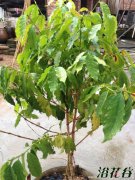
How should coffee seeds of potted coffee trees be planted and managed?
Flower friends who like to drink coffee may prefer to plant a coffee tree on their own. Potted coffee trees are not a dream, but can be realized. This article introduces the experience of a flower friend planting coffee trees. Location: Beijing, species: coffee, seeds: can be picked by yourself, can also be obtained from friends. Second, seed treatment: carefully cut a small opening in the epidermis with a knife or scissors
2015-11-02 Potted plants coffee seeds should how take care of like flower friends maybe
Sidamo Coffee Flavor taste the characteristics of the manor producing area Sidamo Shakiso coffee boutique coffee beans
Growing in western Ethiopia, 4900-5900 feet (Wollega province) plateau, north of Jima, mostly wild, annual output is about 500000bags/60kg, export is mostly G5/G4, bean body is larger and longer than Longberry, a little brown in green, taste similar to less jasmine tea, more bitter, lack of rising Hara, slightly sour, slightly fruity and wine aroma, but slightly inferior to Hara.
2016-08-09 Dharma Coffee Flavor Taste Manor producing area characteristics introduction Shaquiso boutique
Introduction of Sidamo coffee beans growing in Ethiopia's southernmost Ethiopian plateau
Sidamo / Solar, Natural drying or washing (Sundried or Nature Dry-Processed and Washed) grows in the southernmost Ethiopian Plateau between 4600 and 7200 feet above sea level (Sidamo Province), southeast of Jima, just south of the capital, usually sweet and more popular, its annual output is about 225000bags/60kg, the bean body is smaller and greener than Longberry.
2016-06-23 Grow in Ethiopia South Yiso Biya Plateau Dharma Coffee beans introduction
Coffee legend the origin of this plant can be traced back to millions of years ago.
The origin of coffee plant can be traced back to millions of years ago, in fact, the real age when it was discovered can no longer be tested. It is only said that coffee was a shepherd named Kaldi in the Ethiopian Highlands. When he discovered that his sheep had inadvertently eaten the fruit of a plant, he became very lively and lively, and discovered coffee ever since. All historians seem to be the same.
2015-01-26 Coffee legends plants origins traceable millions of years ago coffee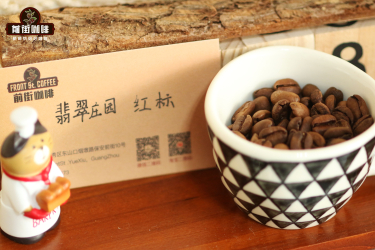
Why are Rosa Coffee varieties so expensive? description of the quality and taste characteristics of Panamanian Rosa coffee beans
Geisha is a very rare coffee variety, which has caused a sensation among coffee connoisseurs all over the world over the past five years. It is considered to be the brightest, richest and most strongly fragrant coffee variety. It won international fame before Rosa was created by DonPa
2023-02-24 One kind very some coffee variety rose summer introduction quality Gei
"Coffee Tree claim" will be held in Hainan Crater on May Day.
Dressed in a poetic thousand fathom waterfall, April sky in the world. Full of spring and green branches, Haikou Crater Park launched a campaign to claim coffee trees during the May Day holiday, allowing everyone who loves nature to become the owner of a coffee tree, planting a coffee and infiltrating the volcanic aura. If you become the owner of a coffee tree, you can go to the park every week to take care of the young trees, water and fertilize them, and we all love the trees together.
2015-04-17 Hainan crater May Day held coffee tree claim event poetic thousand fathom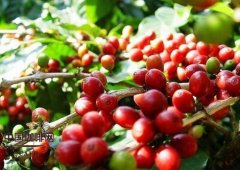
Kenyan Coffee Flavor of Jiatugi processing Plant in Nyeri production area of Kenya
According to botanists in SL laboratory, SL28 and SL34 are genetic variants. Among them, SL28 has a mixed pedigree of French missionaries, mochas and Yemens Tibica. The goal of cultivating SL28 was to mass produce coffee beans with high quality and resistance to diseases and insect pests. Although the later production of SL28 was not as large as expected, copper leaves and broad bean-shaped beans were very popular.
2016-05-18 Kenya Nyeri producing area Home Tuji Gatugi processing Plant Coffee
Full and round El Salvador Himalayan Coffee Flavor describes the characteristics of the manor producing area
Pacamara is the artificial breeding variety of Pacas and Maragogipe. It was first cultivated by researchers in El Salvador in 1958. Pacamara is an excellent variety under rare artificial breeding, which is better than blue, and perfectly inherits the advantages of the mother plant. It not only has the excellent taste of Pacas, but also inherits the large size of Maragogipe, and the bean body is at least like beans.
2016-10-08 Plump round El Salvador Himalayas coffee flavor description manor producing area
Nyeri Central Dashan area of Jiatugi processing Plant in Nyeri production area of Kenya
According to botanists in SL laboratory, SL28 and SL34 are genetic variants. Among them, SL28 has a mixed pedigree of French missionaries, mochas and Yemens Tibica. The goal of cultivating SL28 was to mass produce coffee beans with high quality and resistance to diseases and insect pests. Although the later production of SL28 was not as large as expected, copper leaves and broad bean-shaped beans were very popular.
2016-07-08 Kenya Nyeri producing area home Tuji Gatugi processing plant central
Ethiopia coffee production area profile Ethiopia West Dharma
Harar/Sundried/Dry-Processed Harar is located in the Eastern Highlands of Ethiopia (Haredge Province) and grows at an altitude of 5,000 - 7,000 feet. It was still wild on hillsides a century ago. Most raw beans are medium in size and pointed at both ends. The color is green with yellow or gold. When baked, it has a strong chocolate smell.
2016-04-30 Ethiopia Coffee Major Region Profile Dharma Harar
Washing AA quality coffee beans from Jiatugi treatment plant in Nyeri production area of Kenya
According to botanists in SL laboratory, SL28 and SL34 are genetic variants. Among them, SL28 has a mixed pedigree of French missionaries, mochas and Yemens Tibica. The goal of cultivating SL28 was to mass produce coffee beans with high quality and resistance to diseases and insect pests. Although the later production of SL28 was not as large as expected, copper leaves and broad bean-shaped beans were very popular.
2016-05-10 Kenya Nyeri producing area home Tuji Gatugi treatment plant washing
Coffee tree (Coffee Plant)
Coffee. When it comes to coffee, the first thing that comes to mind is drinks. Beverage coffee is made from coffee beans. Where do coffee beans come from: coffee trees (flowering, fruiting) Coffee fruits, or coffee berries or coffee cherries (peeled and a series of processing) Coffee is a plant, the biological classification of ta is as follows: (Kingdom) Angiosperms quilts of the Plantae plant kingdom
2014-09-03 Coffee tree
Processing methods of high-quality coffee technology coffee raw beans
Dry treatment (secado), also known as natural all-day exposure (natural). After the coffee fruit is actually picked, it is dried directly in the sun. According to the weather conditions, it is usually necessary to dry the coffee beans for 2 weeks, so that the water content of the coffee beans is reduced to 10%. Then the machine is used to remove the dried peel and pulp. Raw bean processing plant (beneficio) usually keeps the outside of coffee beans when raw beans are stored.
2014-12-11 Boutique Coffee Technology Raw Bean processing treatment method secado